





non parallel non intersecting gears
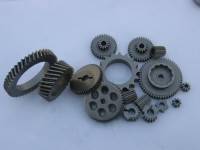
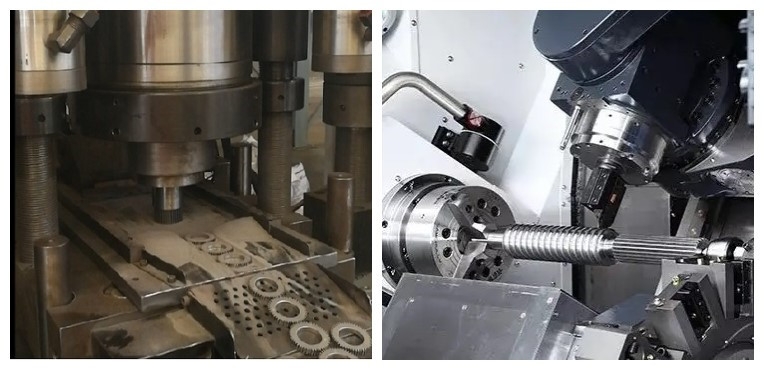
Gears are core mechanical components essential for efficient power transmission in machinery across multiple industries. Understanding gears types —from traditional spur gears to advanced helical and worm gears—is fundamental for engineers and purchasers in sectors such as petrochemicals, metallurgy, water treatment, and automation. Navigate below for detailed technical parameters, manufacturing processes, application cases, product comparison, and the latest global industry trends. For top-quality machinery gear structual parts , visit [Product Link] . 1. Understanding Gears Types & Gear Box Types Gears types are categorized by tooth design, axis arrangement, and their application in power transmission. The “gear box types” refer to the assemblies utilizing these different gears for optimal performance. Here is an overview table comparing common types of gears: Gear Type Tooth Shape Suitable for Shaft Arrangement Noise Level Efficiency Load Capacity Typical Applications Spur Gear Straight Parallel Medium 98-99% Medium General machinery, automotive Helical Gear Helical/Angled Parallel/Crossed Low 96-98% High Automotive, heavy machinery, robotics Bevel Gear Conical Intersecting (Usually 90°) Medium 93-97% High Mining, marine, conveyors Worm Gear Worm & Wheel Skewed Very Low 50-90% Medium Elevators, conveyors, lifts Planetary Gear Compound Multiple axes Low 96-98% Very High Robotics, automotive, aerospace The right gear box type improves efficiency, noise reduction, and durability in demanding applications. Selection is driven by technical requirements such as torque, rotation speed, axial load, and reliability. Spur Gear Helical Gear Bevel Gear Worm Gear Planetary Gear Gears Types 2. Technical Parameters Comparison & Industry Trends Planetary and helical gears show a rising global trend, overtaking spur gears in market share between 2020-2023, fueling demand for advanced gear systems in robotics and automotive. Major growth sectors: automotive EV transmissions (CAGR >14%), industrial automation, renewable energy gearboxes (source: Grand View Research 2023). ISO standards ISO 6336, ISO 1328 & ANSI B6.1 are key quality references for gear material, sizing, and backlash tolerance. 3. Machinery Gear Structual Parts – Manufacturing Process & Technical Insights Process Flowchart of Gears Types Manufacturing Below is a schematic overview of the manufacturing process for machinery gear structual parts : Raw Material Selection — Steel grades (e.g., 42CrMo4, 18CrNiMo7-6, bronze alloys), all verified by ISO/TS 16949:2009 or ANSI standards. Forging / Casting — Shaping the blank via precision forging or casting, ensuring optimal grain structure for load-bearing. CNC Machining — High-accuracy CNC milling/turning ensures tooth geometry and surface finish (up to Ra 0.8μm). Heat Treatment — Carburizing, nitriding, quenching, and tempering enhance surface hardness (up to HRC 60) and tooth core toughness. Gear Tooth Grinding — Achieve ≤DIN 5 precision, low micro-pitting, and controlled backlash per ISO 1328. Inspection & Testing — 100% tooth profile/lead testing (CMM), magnetic particle testing, and final run-in for noise and vibration (per ISO 6336). Anti-corrosion Surface Treatment — Zinc, phosphate, or nano-coating for long-term operation in corrosive environments. Key technological advantages: Integrated manufacturing allows custom gears types and high-precision assemblies for diverse industry demands. 4. Technical Parameter Table – Machinery Gear Structual Parts Model Material Module (mm) Heat Treatment Precision Surface Hardness Fatigue Life (cycles) Max Torque (Nm) Industry Reference JSSG-SP-08 42CrMo4 2.5 Carburized DIN 6 58-62 HRC 2×10 7 350 Automotive JSSG-PL-15 18CrNiMo7-6 4.0 Nitrided DIN 5 60 HRC 4×10 7 1280 Robotics, EV JSSG-HG-11 20MnCr5 3.0 Case Hardened DIN 6 59 HRC 3×10 7 850 Heavy Industry JSSG-WG-06 Bronze/Steel 1.5 Tempered DIN 7 220 HB 1.5×10 7 210 Water Treatment 5. Manufacturer Benchmarking – Global Gears Types Vendors Company Core Product Certifications Annual Output Key Application Sectors Service Life (Avg) Cooperation Networks JSS Intering Gears Types ISO 9001, TS 16949 3M pcs Petrochemicals, Metallurgy, Water Treatment, Robotics 60,000-120,000 hrs ABB, SANY, Geely, Midea Siemens Flender Helical, Planetary gears ISO 9001, ISO 14001 2.1M pcs Heavy Industry, Wind Energy 70,000 hrs Volkswagen, Siemens Energy Sumitomo Drive Cycloidal, Helical gears ISO 9001, JIS Q 9001 1.8M pcs Automation, Mining 65,000 hrs Panasonic, Komatsu SEW-Eurodrive Helical-bevel, Worm gears ISO 9001, EC declaration 1.6M pcs Conveyors, Food, Packaging 68,000 hrs Krones, Tetra Pak JSS Intering stands out for wide material choice, integration of forging+CNC+heat treatment, flexible MOQ, and strong customer support. All leading brands adopt international standards (ISO, ANSI, JIS Q) to ensure universal interchangeability & reliability. 6. Custom Solutions: How to Choose and Order the Right Gears Types Custom gear design is paramount for addressing high-load, high-precision, or special-environment needs. Here’s a simplified process for ordering custom machinery gear structual parts : Define requirements: application, load, speed, environment (temperature/corrosion/humidity). Communicate with engineering: submit CAD drawings or parameters (module, number of teeth, width, material, surface treatment). Quotation & DFM: manufacturer provides technical review, price, prototype plan, and expected lead time. Prototype sampling: sample gears are produced and tested per ISO 6336/1328. Batch manufacturing: full-scale production with in-line inspection, and delivery with certificate of conformity and traceable records. After-sales service: long-term performance monitoring, replacement, and technical upgrade support (optional). For more details on custom orders, visit our gears types solution center . 7. Application Cases & Advantages – Real Industry Usage Petrochemical Pumping Stations : JSS Intering gears with CrMo and Ni alloys, anti-corrosion coating, and >50,000h life under heavy vibration. Achieved 8% energy savings compared to previous solutions (client: Sinopec). Metallurgy Conveyor Systems : Planetary gears offer compact size and high-torque: 3-year uninterrupted operation, DIN 6 precision, robust against metal dust and heat (>120°C). Water Treatment Plants : Worm gears (bronze/steel) operate reliably in high-humidity, corrosive environments, requiring minimal maintenance. Agricultural Automation (EU Market) : Helical gears (case-hardened steel), custom-moduled, compliant with EN ISO 4254, reduced noise by 23% and downtime by 30%. Key advantages of machinery gear structual parts: Energy efficiency & noise reduction (up to -35% SPL at 3000rpm for helical designs). Anti-corrosion treatment, long wear life, and high load-bearing per ISO 6336-3. Custom engineering for exact replacement or system upgrades. 8. Expert FAQ: Gears Types & Machinery Gear Structual Parts Q1: What are the differences between helical and spur gears types ? Helical gears have angled teeth, providing quieter and smoother transmission, higher load capacity, and less vibration, but are more complex to manufacture than spur gears , which have straight teeth and work best at lower speeds. Q2: Which materials are recommended for corrosive and high-load applications? Alloy steels (e.g., 18CrNiMo7-6), CrMo alloys, and bronze are commonly specified. For marine or oilfield use, request enhanced anti-corrosion coatings and ISO/ASTM-compliant materials. Q3: What does "module" mean in gears specification? "Module" (m) is the ratio of pitch diameter to the number of teeth in millimeters. A higher module means a larger, more robust gear—crucial for high-load or slow-speed machinery. Q4: How is gear precision classified? Gear precision is typically classified by DIN or ISO grades (e.g., DIN 5, 6, 7). Lower numbers mean tighter tolerances, superior accuracy, and smoother motion. Q5: What standards govern different types of gears manufacturing? Key international standards include ISO 6336 (strength calculation), ISO 1328 (precision grades), and ANSI B6.1 (US market). Compliance ensures interchangeability and safety. Q6: How long is the delivery time for custom gears? Standard: 15-30 days for machinery gear structual parts . For high complexity or large volumes: 35-60 days, with expedited sampling available upon request. Q7: What warranty and after-sales support do you provide? All gears come with 12-24 months warranty against manufacturing defects, lifetime technical support, and 1-to-1 engineering service for design or installation issues. 9. Service, Certification & Support ISO 9001:2015, ISO/TS 16949:2009, and ISO 6336-3 certified for design, manufacturing, and QA. Broad partner portfolio: ABB, SANY, Geely, EU agricultural automation integrators. Lifetime records traceability, batch-wise inspection reports, and CE/FDA-compliant products for the food industry. Professional engineering team: 38+ years of production and design experience in different types of gears . Full cross-border customer support: English engineering communication, 7x24h technical support line, rapid replacement, and logistics service. For direct technical advice or to request a quotation on custom gears types , contact our application expert at sales@jssintering.com . 10. References & Further Reading For additional technical deep-dives and latest industry news on gears types : [1] AGMA Gear Industry Forum [2] ASME Gear Technology Journal [3] ResearchGate - Gear Technology [4] Grand View Research - Gears Market Analysis 2023 [5] ISO 6336 Standard Details Content compiled based on global standards, market data, and engineering best practices from all referenced sources (updated 2024).


What are the main applications of powder metallurgy gears?
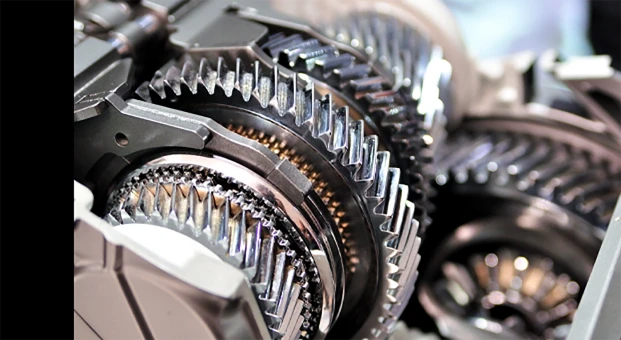
Premium Driven Plates for Optimal Transmission Performance
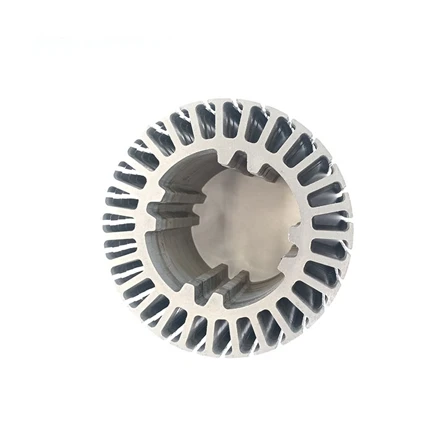
Precision PM Components | Durable Powder Metallurgy Products
Subscribe For Newsletter

Shijiazhuang JingShi New Material Science and Technology Co., Ltd was founded since 2014, located in Shijiazhuang, Hebei province, China. The company covers an area of over 10,000 square meters and has


PRODUCTS

QUICK LINKS
CONTACT US
Address:TIANSHAN INTERNATIONAL MANUFACTURING INDUSTRY PARK NO.57, YUANSHI, SHIJIAZHUANG CITY, HEBEI PROVINCE, CHINA
Address:TIANSHAN INTERNATIONAL MANUFACTURING INDUSTRY PARK NO.57, YUANSHI, SHIJIAZHUANG CITY, HEBEI PROVINCE, CHINA